
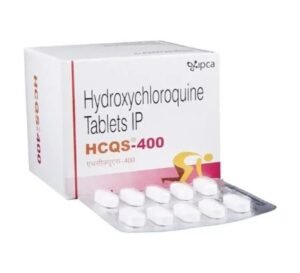
 Hcqs 400 Tablet
Price range: $41.00 through $266.00
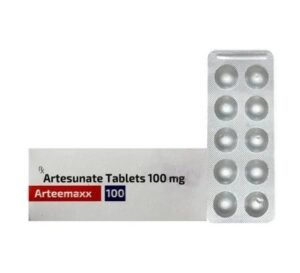 Elinide 500 Tablet
Price range: $35.00 through $223.00
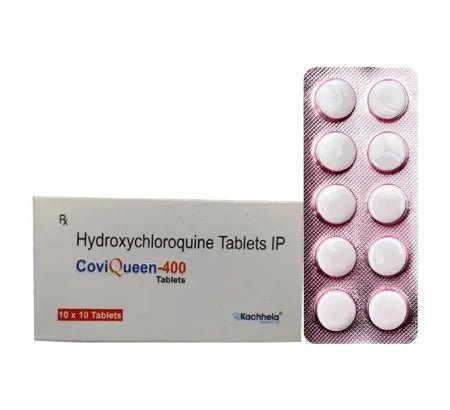
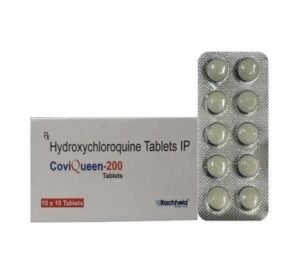
Coviqueen 400mg Tablet
Price range: $38.00 through $246.00
Coviqueen 400mg Tablet: Overview
Malaria is a serious infection caused by parasites and spread through infected mosquito bites. Coviqueen 400mg Tablet contains hydroxychloroquine and is used to treat malaria when prescribed by a healthcare professional.
The 400mg strength is intended for specific treatment plans and should be used only as directed. Coviqueen is also associated with hydroxychloroquine treatment for certain inflammatory conditions, including rheumatoid arthritis and lupus, when a clinician considers it appropriate.
Uses of Coviqueen 400mg Tablet
- Used to treat certain types of malaria caused by susceptible parasites.
- May be prescribed to help manage rheumatoid arthritis.
- May be used for lupus and related autoimmune inflammatory conditions.
- Can help reduce inflammation and immune-system activity in conditions for which hydroxychloroquine is prescribed.
How Coviqueen 400mg Tablet Works
Hydroxychloroquine interferes with the survival processes of malaria parasites inside red blood cells. This helps clear the parasites from the bloodstream and supports recovery from the infection. Its effectiveness depends on the type of malaria and whether the parasite is sensitive to the medicine.
For autoimmune conditions, hydroxychloroquine helps moderate overactive immune responses. This can lessen inflammation and ease symptoms over time. The 400mg tablet should not be substituted with the 200mg version unless a prescriber has specifically instructed you to do so.
How to Take Coviqueen 400mg Tablet
Take Coviqueen 400mg Tablet exactly as prescribed. Swallow the tablet with water, and take it with food or milk if it causes stomach discomfort. Do not crush or chew it unless your healthcare professional tells you that this is suitable.
The appropriate amount and length of treatment depend on the condition being treated, your health, and other medicines you use. Complete the prescribed course for malaria, even if you begin to feel better. If you miss a dose, follow the instructions provided by your prescriber or pharmacist rather than taking extra tablets.
Available strengths of Coviqueen
Possible Side Effects
- Nausea, stomach pain, or vomiting
- Diarrhea
- Headache or dizziness
- Skin rash or itching
- Temporary blurred vision
- Changes in mood or sleep
Seek prompt medical attention for severe allergic symptoms, unusual muscle weakness, marked heartbeat changes, serious skin reactions, or new vision problems. Long-term hydroxychloroquine treatment may require eye monitoring.
Precautions & Warnings
- Tell your prescriber about eye disease, heart rhythm problems, liver or kidney disease, psoriasis, porphyria, or a history of seizures.
- Provide a complete list of medicines and supplements, especially those that affect heart rhythm or contain antacids.
- Do not use Coviqueen for malaria prevention or treatment unless it has been selected for the specific infection in your area.
- Contact a healthcare professional about any visual changes, fainting, palpitations, or severe weakness.
- Keep the tablets away from children and use the 400mg strength only under appropriate medical direction.
Frequently Asked Questions about Coviqueen 400mg Tablet
Is Coviqueen 400mg Tablet used for every type of malaria?
No. Hydroxychloroquine is effective only against certain susceptible malaria parasites, and resistance varies by region. A healthcare professional should identify the infection and choose treatment accordingly. Do not rely on Coviqueen 400mg Tablet for self-treatment after travel or for an undiagnosed fever.
Why might Coviqueen 400mg Tablet be prescribed for lupus or rheumatoid arthritis?
Hydroxychloroquine can help regulate overactive immune activity and reduce inflammation in some autoimmune conditions. These uses are different from malaria treatment and may require ongoing medical review. Your prescriber determines whether the 400mg strength is suitable for your condition.
What eye monitoring may be needed with Coviqueen 400mg Tablet?
Hydroxychloroquine can rarely affect the retina, particularly with prolonged use or certain risk factors. Your clinician may recommend baseline and follow-up eye examinations. Report blurred vision, difficulty reading, changes in color perception, or blind spots promptly rather than waiting for a routine visit.
Disclaimer: This information is for educational purposes only and is not a substitute for professional medical advice. Always consult your doctor or pharmacist before starting any medication.
Additional information
| Pack Size | 30 Tablet, 60 Tablet, 100 Tablet, 200 Tablet, 300 Tablet |
|---|
Related products
-
Price range: $35.00 through $223.00 Select options This product has multiple variants. The options may be chosen on the product page
-
Antimalarial, Hydroxychloroquine
Price range: $41.00 through $266.00 Select options This product has multiple variants. The options may be chosen on the product page -
Antimalarial, Hydroxychloroquine
Price range: $32.00 through $206.00 Select options This product has multiple variants. The options may be chosen on the product page -
Antimalarial, Hydroxychloroquine
Price range: $35.00 through $223.00 Select options This product has multiple variants. The options may be chosen on the product page
Reviews
There are no reviews yet.