
Ivermectin
Ivermectin is an antiparasitic medicine used to treat certain infections caused by parasites. It belongs to the avermectin group of medicines and is particularly useful against selected parasitic worms and some external parasites. Depending on the formulation, ivermectin may be prescribed as an oral tablet or applied to the skin.
Showing 1–12 of 31 results
-
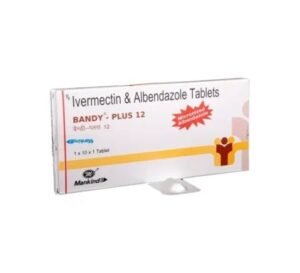
albendazole, Anti Worm, Ivermectin
Price range: $41.00 through $266.00 Select options This product has multiple variants. The options may be chosen on the product page -
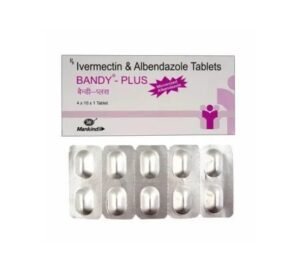
albendazole, Anti Worm, Ivermectin
Price range: $38.00 through $246.00 Select options This product has multiple variants. The options may be chosen on the product page -
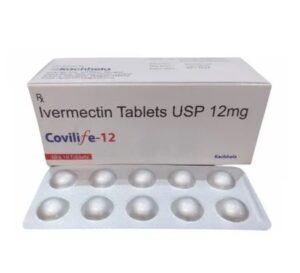 Price range: $38.00 through $246.00 Select options This product has multiple variants. The options may be chosen on the product page
-
 Price range: $27.00 through $171.00 Select options This product has multiple variants. The options may be chosen on the product page
-
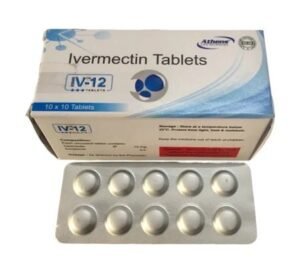 Price range: $54.00 through $348.00 Select options This product has multiple variants. The options may be chosen on the product page
-
 Price range: $60.00 through $391.00 Select options This product has multiple variants. The options may be chosen on the product page
-
 Price range: $60.00 through $391.00 Select options This product has multiple variants. The options may be chosen on the product page
-
 Price range: $54.00 through $396.00 Select options This product has multiple variants. The options may be chosen on the product page
-
 Price range: $54.00 through $348.00 Select options This product has multiple variants. The options may be chosen on the product page
-
 Price range: $36.00 through $228.00 Select options This product has multiple variants. The options may be chosen on the product page
-
 Price range: $35.00 through $223.00 Select options This product has multiple variants. The options may be chosen on the product page
-
 Price range: $54.00 through $348.00 Select options This product has multiple variants. The options may be chosen on the product page
Showing 1–12 of 31 results
What Is Ivermectin?
Ivermectin is a broad-spectrum antiparasitic agent classified as an anthelmintic. It is used in human medicine for certain infections caused by parasitic worms and, in specific topical formulations, for selected skin conditions and infestations.
The medicine was developed from compounds belonging to the avermectin family, which are derived from fermentation products of the microorganism Streptomyces avermitilis.
Ivermectin is available in different strengths and formulations. Oral tablets are used for particular internal parasitic infections, while topical products are designed for specific skin-related conditions. These formulations are not interchangeable because they have different concentrations, ingredients, and intended uses.
Medical Conditions Treated With Ivermectin
Ivermectin is prescribed for certain parasitic infections. Its suitability depends on the parasite, the affected part of the body, and the patient’s medical circumstances.
Strongyloidiasis
Strongyloidiasis is an intestinal infection caused by the roundworm Strongyloides stercoralis. The parasite can enter the body through contact with contaminated soil, often by penetrating exposed skin.
An infection may cause abdominal discomfort, diarrhoea, skin irritation, or respiratory symptoms. Some individuals have few or no noticeable symptoms. In people with weakened immune systems, the infection can sometimes become severe.
Oral ivermectin is an established treatment for intestinal strongyloidiasis. Prompt diagnosis and appropriate management are important, particularly before certain immunosuppressive treatments are started.
Onchocerciasis
Onchocerciasis, also known as river blindness, is caused by the parasitic worm Onchocerca volvulus. It spreads through repeated bites from infected blackflies, which are commonly found near fast-flowing rivers in certain regions.
The infection can cause intense itching, skin changes, nodules beneath the skin, and eye complications that may lead to vision loss.
Ivermectin helps reduce the number of developing larval parasites, known as microfilariae. It does not kill adult worms, so treatment and follow-up may be required according to specialist or public-health guidance.
Scabies
Scabies is a contagious skin infestation caused by the microscopic mite Sarcoptes scabiei. It commonly produces intense itching, especially at night, along with small bumps or thin burrow-like marks on the skin.
Oral ivermectin may be used in selected cases, including certain severe or crusted infections, or when topical treatment is unsuitable or ineffective. The choice between oral and topical therapy depends on the clinical situation and applicable treatment guidelines.
Treatment may also involve close contacts and environmental measures to reduce reinfestation.
Head Lice
Head lice are small insects that live on the scalp and feed on human blood. Their presence may cause itching, irritation, and visible eggs attached to hair shafts.
Certain topical ivermectin products are approved for treating head lice. These products are different from oral ivermectin tablets and must be used according to their specific instructions.
Rosacea
Some topical ivermectin preparations are used to manage inflammatory lesions associated with rosacea, a chronic skin condition that can cause facial redness, bumps, and irritation.
In this setting, ivermectin acts locally on the skin and helps reduce inflammatory lesions. This use is distinct from the treatment of internal parasitic infections.
How Ivermectin Works Inside the Body
Ivermectin acts on particular chloride channels found in the nerve and muscle cells of susceptible invertebrate parasites. These channels help regulate electrical activity and normal muscle function.
When ivermectin binds to these channels, it increases the movement of chloride ions across cell membranes. This disrupts the parasite’s nerve and muscle activity, leading to paralysis and death.
The drug has a degree of selectivity because the relevant glutamate-gated chloride channels are characteristic of invertebrates and are not found in the same form in humans. Ivermectin also does not readily cross the human blood-brain barrier under normal circumstances.
However, this selectivity does not mean that the medicine is risk-free. Excessive exposure, inappropriate formulations, drug interactions, or certain medical conditions can increase the risk of harmful effects.
Available Ivermectin Formulations
Ivermectin is manufactured in different forms to suit specific treatment needs. The formulation should always match the condition for which the medicine is prescribed.
Oral tablets: These are used for selected internal parasitic infections, including strongyloidiasis and onchocerciasis. The strength and prescribed regimen depend on the diagnosis and individual patient factors.
Topical cream: Certain ivermectin creams are used for inflammatory lesions associated with rosacea. They are intended for external application to the affected skin.
Topical lotion: Specific ivermectin lotions are used for head lice. Application instructions, contact time, and precautions depend on the individual product.
Veterinary formulations: Ivermectin is also available in products designed for animals. These may contain different concentrations or ingredients and are not suitable substitutes for human medicines.
A product’s route of administration matters. An oral tablet should not be applied to the skin, and a topical preparation should not be swallowed.
Understanding Dosage and Treatment Duration
There is no single ivermectin dose that is appropriate for every condition. The prescribed amount and treatment schedule can vary according to the type of infection, body weight, age, health status, and product formulation.
For some parasitic infections, treatment may involve a single administration. Other conditions may require repeat doses or longer-term follow-up. Topical preparations have separate application instructions.
Patients should follow the directions provided by their healthcare professional and the approved product information. They should not increase the dose, repeat treatment early, or take additional tablets because symptoms have not disappeared immediately.
If a dose is missed, patients should seek advice from their prescriber or pharmacist rather than doubling the next dose.
Possible Side Effects of Ivermectin
Ivermectin is generally tolerated by many patients when used appropriately, but unwanted effects can occur. Some reactions may be related to the medicine itself, while others may result from the body’s response to dying parasites.
Possible side effects include:
- Nausea
- Diarrhoea
- Abdominal discomfort
- Dizziness
- Headache
- Fatigue
- Itching or skin rash
- Swelling or tenderness of lymph nodes
Some patients treated for particular parasitic infections may experience fever, joint pain, skin reactions, or changes in blood pressure as part of an inflammatory response to parasite death.
Rare but serious reactions can involve the nervous system. Confusion, difficulty walking, seizures, severe drowsiness, or loss of consciousness require urgent medical attention. Severe allergic reactions, breathing difficulties, or swelling of the face and throat also need immediate care.
Patients should report persistent or worsening symptoms to a healthcare professional.
Important Safety Precautions Before Treatment
Before taking ivermectin, patients should discuss their medical history and current medicines with a qualified healthcare professional.
Several factors may influence whether treatment is suitable:
Allergies: Anyone with a previous allergic reaction to ivermectin or its ingredients should inform the prescriber.
Liver health: Patients with liver disease or a history of liver problems should discuss treatment suitability and any necessary monitoring.
Pregnancy: The safety of ivermectin during pregnancy has not been fully established for all circumstances. It should be used only when a healthcare professional determines that treatment is appropriate.
Breastfeeding: Ivermectin may pass into breast milk in small amounts. Patients who are breastfeeding should seek medical advice before using it.
Children: Age and body weight are important when determining suitability. Oral ivermectin safety has not been established for children weighing less than 15 kg in the U.S. prescribing information. Local product guidance may differ.
Existing medical conditions: Patients with weakened immune systems or other significant health conditions may need additional assessment, especially when treating infections that can become severe.
Medicines and Substances That May Interact With Ivermectin
Ivermectin may interact with other medicines or affect the way certain treatments work. A complete medication review can help reduce avoidable risks.
Patients should tell their healthcare professional if they use:
- Blood-thinning medicines such as warfarin
- Medicines that affect the central nervous system
- Other antiparasitic treatments
- Prescription medicines for chronic health conditions
- Over-the-counter products and dietary supplements
The importance of an interaction depends on the specific combination, dose, and patient’s health. Patients should not discontinue prescribed medicines or combine antiparasitic treatments without professional guidance.
Why Veterinary Ivermectin Must Never Be Used by Humans
Ivermectin products intended for animals are manufactured for different species and may contain concentrations, ingredients, and delivery systems that are unsuitable for human use.
Animal products may be supplied as injections, pastes, liquids, or other formulations. Their safety and effectiveness have not been established for human treatment.
Using veterinary ivermectin can result in accidental overdose and serious toxicity. Human treatment should use only a product specifically manufactured and approved for human use, obtained through a legitimate pharmacy and used under appropriate medical guidance.
Ivermectin and COVID-19: What to Know
Ivermectin is an antiparasitic medicine, not an established treatment for COVID-19. Laboratory findings and early research interest do not establish that a medicine is effective or safe for treating a viral disease in people.
The U.S. Food and Drug Administration has not approved ivermectin for the prevention or treatment of COVID-19. Patients should not use it for this purpose or replace recommended medical care with ivermectin.
For COVID-19 prevention or treatment, individuals should follow current public-health guidance and consult a healthcare professional about suitable options.
Storage and Responsible Handling
Proper storage helps maintain the quality of ivermectin products. Patients should follow the storage instructions printed on the packaging or provided in the product information.
General precautions include:
- Keep the medicine in its original packaging when possible.
- Store it away from excessive heat, moisture, and direct sunlight.
- Keep all formulations out of the reach of children.
- Do not use products beyond their expiry date.
- Avoid using tablets or topical products that appear damaged or altered.
- Do not share prescription medication with others.
Unused medicines should be disposed of according to local pharmacy or healthcare waste guidance.
Frequently Asked Questions About Ivermectin
1. What is ivermectin mainly used for?
Ivermectin is used to treat selected parasitic infections, including intestinal strongyloidiasis and onchocerciasis. Certain topical formulations are also used for head lice and rosacea, while oral treatment may be considered for specific cases of scabies.
2. Is ivermectin an antibiotic or an antiparasitic medicine?
Ivermectin is an antiparasitic medicine. It belongs to the avermectin group and is classified as an anthelmintic when used to treat parasitic worm infections. It is not an antibiotic.
3. Does ivermectin kill all types of parasites?
No. Ivermectin is effective against certain susceptible parasites, but it does not treat every worm, protozoan, insect, or mite. The correct medicine depends on the organism responsible for the infection.
4. How does ivermectin affect parasites?
It acts on specific chloride channels in parasite nerve and muscle cells. This disrupts normal nerve signalling and muscle activity, causing susceptible parasites to become paralysed and die.
5. Is ivermectin available as a cream?
Yes. Certain topical ivermectin products are available for conditions such as rosacea and head lice. Their formulations and application instructions differ from oral tablets.
6. Can ivermectin be used for scabies?
Oral ivermectin may be recommended for selected scabies cases, including certain severe infections or situations where topical treatment is unsuitable. A healthcare professional should determine the appropriate treatment plan.
7. What are the common side effects of ivermectin?
Possible reactions include nausea, diarrhoea, abdominal discomfort, dizziness, headache, fatigue, itching, and skin rash. The type of reaction may vary depending on the infection and formulation.
8. Can ivermectin be taken without a prescription?
Prescription requirements vary by country and formulation. Patients should follow local regulations and obtain medical advice before using ivermectin, particularly for suspected parasitic infections.
9. Is ivermectin safe for children?
Its suitability depends on the child’s age, weight, health status, and the condition being treated. Some product information does not establish safety for children below a specified body weight. A healthcare professional should assess each case.
10. Can ivermectin treat viral infections?
Ivermectin is not an established antiviral treatment. It should not be used to prevent or treat COVID-19 or other viral infections unless a specific use is supported by appropriate regulatory approval and clinical guidance.
Final Thoughts on Ivermectin
Ivermectin is an important antiparasitic medicine with established uses against selected parasitic infections. Its effectiveness depends on choosing the appropriate formulation and treatment regimen for the organism involved. Oral tablets and topical products serve different purposes and should not be treated as interchangeable.
Although ivermectin is commonly used in appropriate clinical settings, it can cause side effects and may not be suitable for everyone. Medical assessment, accurate diagnosis, and adherence to product instructions are essential for responsible use. Patients should avoid self-medication and never substitute veterinary products for human formulations.