
Anti Worm
Anti-worm medicines belong to a group of treatments called anthelmintics. They are designed to target particular parasites by disrupting essential biological functions that allow them to survive. The choice of treatment depends on the organism responsible for the infection rather than simply the symptoms a person experiences.
Showing 1–12 of 45 results
-
 Price range: $32.00 through $206.00 Select options This product has multiple variants. The options may be chosen on the product page
-
 Price range: $38.00 through $243.00 Select options This product has multiple variants. The options may be chosen on the product page
-
 Price range: $32.00 through $206.00 Select options This product has multiple variants. The options may be chosen on the product page
-
 Price range: $35.00 through $223.00 Select options This product has multiple variants. The options may be chosen on the product page
-
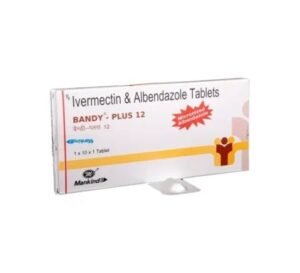
albendazole, Anti Worm, Ivermectin
Price range: $41.00 through $266.00 Select options This product has multiple variants. The options may be chosen on the product page -
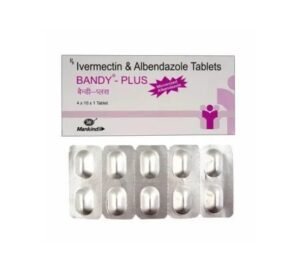
albendazole, Anti Worm, Ivermectin
Price range: $38.00 through $246.00 Select options This product has multiple variants. The options may be chosen on the product page -
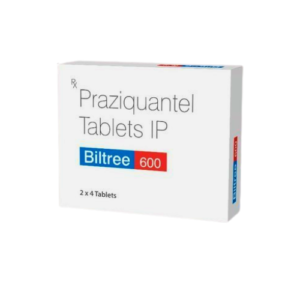 Price range: $200.00 through $350.00 Select options This product has multiple variants. The options may be chosen on the product page
-
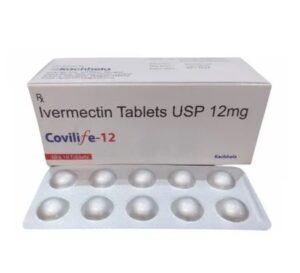 Price range: $38.00 through $246.00 Select options This product has multiple variants. The options may be chosen on the product page
-
 Price range: $27.00 through $171.00 Select options This product has multiple variants. The options may be chosen on the product page
-
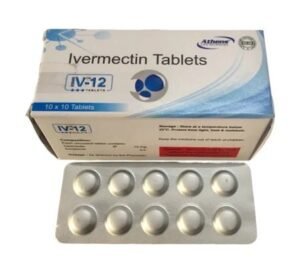 Price range: $54.00 through $348.00 Select options This product has multiple variants. The options may be chosen on the product page
-
 Price range: $60.00 through $391.00 Select options This product has multiple variants. The options may be chosen on the product page
-
 Price range: $60.00 through $391.00 Select options This product has multiple variants. The options may be chosen on the product page
Showing 1–12 of 45 results
Parasitic worms are organisms that can live inside the human body and obtain nutrients from their host. Depending on the species, they may inhabit the digestive tract, bloodstream, muscles, or other tissues. Infections caused by these organisms are known as helminth infections and can affect people of different ages.
Some worm infections remain limited to the intestines, while others can involve organs and require more detailed medical evaluation. Identifying the likely parasite is therefore an important part of selecting an appropriate medicine.
Major Parasite Groups Targeted by Treatment
Human worm infections are caused by several groups of parasites. Understanding their differences helps explain why individual medicines have different applications.
Nematodes (Roundworms)
Roundworms are cylindrical parasites that can infect the intestines or other parts of the body. Common examples include:
- Ascaris lumbricoides: Causes ascariasis and may lead to abdominal discomfort or intestinal complications in heavier infections.
- Enterobius vermicularis: Responsible for pinworm infection, commonly associated with itching around the anal area.
- Ancylostoma and Necator species: Hookworms that can cause intestinal blood loss and contribute to anemia.
- Strongyloides stercoralis: A parasite capable of causing persistent infection and potentially severe disease in people with weakened immune systems.
Cestodes (Tapeworms)
Tapeworms are flat, segmented parasites. People may acquire certain infections through contaminated food or exposure to infected animals or environments.
Examples include Taenia species and other tapeworms that can affect the digestive tract or, in some circumstances, other tissues. The treatment depends on the exact species and the location of infection.
Trematodes (Flukes)
Flukes are flat, leaf-shaped parasitic worms. Different species can affect the liver, lungs, intestines, or blood vessels.
Schistosoma species, for example, cause schistosomiasis, while certain liver flukes can affect the bile ducts. These infections often require parasite-specific treatment and clinical assessment.
Medicines Used Against Different Worm Species
Anthelmintic treatments are selected according to their activity against particular parasites. The following medicines are commonly used in the management of human worm infections.
Albendazole: Broad-Spectrum Anthelmintic
Albendazole belongs to the benzimidazole group of medicines. It interferes with microtubule formation in susceptible parasites, affecting their ability to absorb and use nutrients.
It is used for several infections, including certain roundworm and tissue-related parasitic infections. Its applications can include ascariasis, hookworm, and selected tapeworm infections. The treatment schedule varies according to the diagnosis.
Mebendazole: Treatment for Selected Intestinal Worms
Mebendazole is another benzimidazole medicine. It interferes with the energy and nutrient processes of susceptible worms.
It is commonly used for pinworm, roundworm, whipworm, and hookworm infections. Its suitability depends on the parasite involved, patient age, and applicable prescribing guidance.
Ivermectin: Antiparasitic Agent
Ivermectin acts on specific nerve and muscle channels in susceptible parasites, causing paralysis and eventual elimination.
In human medicine, it is used for conditions such as strongyloidiasis and onchocerciasis, as well as certain other parasitic conditions. It does not provide universal coverage against all intestinal worms.
Praziquantel: Medication for Flatworm Infections
Praziquantel is primarily used against susceptible flatworms, including many tapeworms and blood flukes. It affects the parasite’s outer surface and muscle activity, making it unable to maintain normal function.
The treatment regimen depends on the organism and the affected body site. Certain infections involving the nervous system require specialist assessment.
Pyrantel Pamoate: Neuromuscular Action Against Worms
Pyrantel pamoate affects the neuromuscular function of susceptible intestinal worms. It causes paralysis, allowing the parasites to be expelled through bowel movements.
It is used for selected infections, including pinworm and certain roundworm infections. Availability and approved uses vary between countries.
What Happens During an Untreated Infection?
The effects of a worm infection depend on the parasite species, the number of organisms present, and the duration of infection. A mild infection may produce few noticeable symptoms, whereas a heavier or tissue-invasive infection can cause significant health problems.
Possible consequences include:
- Nutrient depletion: Some intestinal parasites compete with the host for nutrients.
- Blood loss: Hookworm infections can cause ongoing intestinal blood loss and contribute to iron-deficiency anemia.
- Digestive complications: Heavy worm burdens may lead to abdominal discomfort and, occasionally, intestinal obstruction.
- Tissue inflammation: Certain parasites migrate through or settle in body tissues, triggering inflammatory responses.
- Organ involvement: Selected species can affect the liver, lungs, eyes, or nervous system.
- Growth and nutritional concerns: Persistent infections may affect nutritional status and development, particularly in children.
Not every worm infection produces these complications. The risks depend on the parasite and the individual circumstances.
How a Worm Infection Is Identified
Treatment decisions are more reliable when supported by appropriate diagnostic evaluation. A healthcare professional may consider travel history, food and water exposure, symptoms, and possible contact with contaminated environments.
Depending on the suspected parasite, investigations may include:
- Stool examination: Microscopic testing can identify parasite eggs, larvae, or other evidence of intestinal infection.
- Blood investigations: Blood counts may reveal findings such as eosinophilia or anemia, although these results do not identify every infection.
- Serological tests: Certain blood tests can help detect immune responses to selected tissue-dwelling parasites.
- Imaging studies: Ultrasound, CT, or MRI may be required when infection is suspected in internal organs.
- Specialized testing: Additional laboratory methods may be needed for parasites that are difficult to detect through routine stool examination.
A negative result from one test does not always exclude infection. The appropriate investigation depends on the suspected organism.
Factors That Influence Treatment Selection
There is no single treatment schedule suitable for every worm infection. Several clinical factors influence which medicine is chosen and how it is administered.
Parasite identification: The medicine must be active against the organism responsible for the infection.
Infection location: An intestinal infection may require a different approach from one involving the brain, liver, lungs, or other tissues.
Patient characteristics: Age, body weight, pregnancy status, medical history, and overall health can influence treatment decisions.
Severity of infection: Some infections require a short course, while others need extended treatment or specialist supervision.
Risk of complications: Certain parasitic diseases require monitoring during treatment because the death of parasites can trigger inflammatory reactions.
Treatment should follow an appropriate medical assessment rather than a general deworming schedule chosen without considering the infection.
Reactions and Safety Considerations
The body’s response to treatment can vary. Some people experience no noticeable problems, while others develop temporary symptoms.
Potential medicine-related reactions include:
- Mild abdominal discomfort.
- Nausea or loose stools.
- Headache.
- Dizziness.
- Temporary skin irritation or itching.
- Changes in liver enzyme levels with certain medicines.
In some infections, symptoms during treatment may result from the body’s inflammatory response to damaged or dying parasites rather than from a direct drug effect.
Longer courses of particular medicines may require blood count or liver function monitoring. Report unusual or persistent symptoms to a healthcare professional. Severe allergic reactions or significant neurological symptoms require urgent assessment.
Situations Requiring Additional Medical Attention
Certain people and circumstances call for extra care before anti-worm treatment is started.
- Pregnancy: The risks and benefits of treatment need to be evaluated, particularly during the first trimester.
- Breastfeeding: Medicine selection should account for available safety information and the mother’s clinical needs.
- Young children: Age-specific restrictions and weight-based dosing must be considered.
- Liver impairment: Some treatments may require additional monitoring or an alternative approach.
- Immune suppression: Strongyloides infection can become particularly dangerous in people receiving immunosuppressive treatment.
- Possible brain or eye involvement: Suspected tissue infections may need specialist evaluation before treatment begins.
- Other medication use: Provide a complete list of medicines and supplements to the treating professional to assess potential interactions.
Never use animal-grade antiparasitic products for human treatment. Formulations intended for animals are not interchangeable with human medicines.
Reducing Exposure to Parasitic Worms
Prevention depends on how a particular parasite spreads. Measures that reduce exposure to contaminated soil, water, food, and infected environments can help lower infection risk.
- Wash hands thoroughly after using the toilet and before handling food.
- Wash fresh produce with safe water.
- Cook meat and fish thoroughly according to food-safety recommendations.
- Avoid drinking untreated water from potentially contaminated sources.
- Wear shoes in areas where soil-transmitted parasites are present.
- Follow appropriate sanitation and waste-disposal practices.
- Maintain clean household surfaces and bedding when managing pinworm infections.
- Follow local public-health recommendations in regions where soil-transmitted worm infections are common.
People living in or travelling to areas with a higher prevalence of particular parasites may need additional preventive guidance.
Common Questions About Anthelmintic Treatment
1. What does an anthelmintic medicine mean?
An anthelmintic is a medicine that targets parasitic worms. It may act against roundworms, tapeworms, or flukes, depending on its active ingredient.
2. Are intestinal worms and tissue parasites treated in the same way?
No. Medicines used for intestinal infections may differ from those required for parasites affecting internal organs or tissues. The treatment depends on the parasite’s species and location.
3. Can one medicine eliminate different worm species?
Some medicines have activity against several parasite species, but their coverage is not universal. A medicine effective against certain roundworms may not treat tapeworm or fluke infections.
4. Does seeing a worm in stool confirm the type of infection?
Not necessarily. The appearance of a worm or segment may provide clues, but laboratory identification may be needed to determine the species and select suitable treatment.
5. Why might a doctor recommend testing before prescribing treatment?
Different parasites respond to different medicines. Testing can help establish the cause of symptoms, identify infections requiring specialized care, and avoid unnecessary or unsuitable treatment.
6. Can worm infections affect organs outside the digestive system?
Yes. Certain parasites can migrate to or settle in tissues and organs, including the liver, lungs, eyes, and nervous system. These infections may require imaging, specialized testing, or specialist management.
7. Is follow-up necessary after completing treatment?
Follow-up depends on the parasite and the initial infection. Some cases require repeat stool examinations, blood tests, or other investigations to assess the response to treatment.
8. Why can symptoms continue after taking an anti-worm medicine?
Symptoms may persist because of inflammation, incomplete parasite clearance, reinfection, or another underlying condition. Persistent symptoms should be assessed rather than automatically treated with another dose.
9. Can a person get another worm infection after successful treatment?
Yes. Previous treatment does not provide general protection against future exposure. Food hygiene, sanitation, safe water, and other parasite-specific preventive measures remain important.
10. Are anti-worm medicines suitable for routine self-medication?
Not in every situation. Some infections require testing, individualized dosing, or monitoring. Repeated use without an appropriate indication may expose a person to unnecessary risks and delay the correct diagnosis.
Making Informed Choices About Worm Treatments
Anthelmintic medicines play an important role in managing parasitic worm infections, but their effectiveness depends on matching the treatment to the organism. Albendazole, mebendazole, ivermectin, praziquantel, and pyrantel pamoate each have distinct applications and limitations.
Understanding the parasite, confirming the diagnosis when needed, and following appropriate medical instructions are essential parts of treatment. Preventive hygiene and environmental measures also help reduce the likelihood of future infections.