
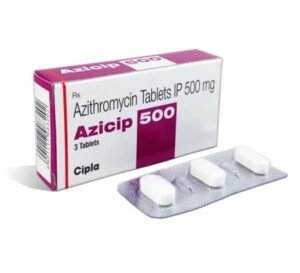
 Azicip 500mg (Azithromycin)
Price range: $48.00 through $270.00
 Cipmox 500 Capsule (Amoxicillin)
Price range: $37.00 through $230.00
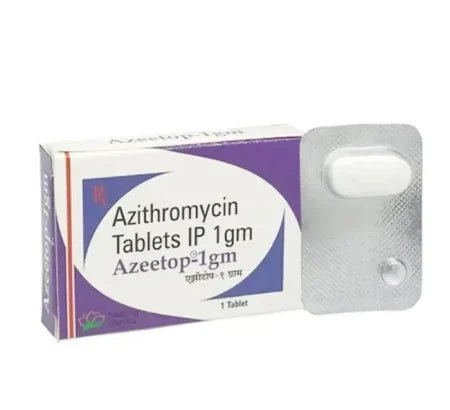
Azeetop 1gm (Azithromycin)
Free worldwide shipping over $50 · Discreet packaging · 30-day returnsPrescription medicine · Read before use
 Trusted SourceThomas C. Bailey, MDMedical Reviewer | Infectious Disease Specialist | Internal Medicine PhysicianView moreWritten by Sarah Alleman
 Trusted SourceSarah AllemanAuthor | Infectious Disease SpecialistView more
Azeetop 1gm (Azithromycin): Overview
Azeetop 1gm is typically prescribed for adults who need azithromycin to treat certain bacterial infections. Each tablet contains 1 gram (1,000 mg) of azithromycin, a macrolide antibiotic used for selected respiratory, skin, ear, and other bacterial infections.
Although it may appear under an antiviral category on some pharmacy listings, azithromycin does not treat viruses such as colds or influenza. The 1gm strength is a high-strength formulation and should be used only when specifically prescribed.
Uses of Azeetop 1gm (Azithromycin)
- Treatment of certain bacterial infections of the respiratory tract, including some throat, sinus, bronchial, or lung infections.
- Management of selected bacterial infections affecting the ears, skin, or soft tissues.
- Treatment of some sexually transmitted bacterial infections when azithromycin is considered appropriate by a healthcare professional.
- Other susceptible bacterial infections identified by a prescriber.
How Azeetop 1gm (Azithromycin) Works
Azithromycin works by attaching to bacterial ribosomes, which are structures bacteria need to produce proteins. By interfering with protein production, it slows or stops the growth of susceptible bacteria, allowing the body’s immune system to clear the infection.
It does not work against viral illnesses. The 1gm tablet may be selected for particular infections where a high-strength azithromycin treatment is appropriate; the amount and timing depend on the diagnosis and the prescribing instructions.
How to Take Azeetop 1gm (Azithromycin)
Take Azeetop 1gm exactly as prescribed. Swallow the tablet with water and follow the instructions on the prescription or package label. It may be taken with or without food, but taking it consistently in relation to meals can help avoid stomach upset. Do not split, crush, or repeat a dose unless your prescriber or pharmacist directs you to do so.
Complete the prescribed treatment as instructed, even if symptoms improve. Do not use leftover tablets for a later illness, share this medicine, or take it for a cold or flu. If you miss a dose, follow the advice provided by your healthcare professional rather than taking extra medicine.
More in azithromycin
Possible Side Effects
- Nausea, vomiting, or diarrhea
- Stomach pain, indigestion, or abdominal discomfort
- Headache or dizziness
- Temporary changes in taste
- Mild skin rash or itching
Precautions & Warnings
- Tell your prescriber about allergies to azithromycin, erythromycin, or other macrolide antibiotics.
- Discuss any history of liver disease, heart rhythm problems, or prolonged QT interval before use.
- Tell a healthcare professional about all medicines and supplements you take, particularly drugs that can affect heart rhythm.
- Seek medical attention for severe or persistent diarrhea, yellowing of the skin or eyes, fainting, a fast or irregular heartbeat, or signs of a serious allergic reaction.
- Use during pregnancy or breastfeeding only after discussing the treatment with a qualified healthcare professional.
Frequently Asked Questions about Azeetop 1gm (Azithromycin)
Why is Azeetop 1gm different from lower-strength azithromycin tablets?
Azeetop 1gm contains 1,000 mg of azithromycin in one tablet, while Azeetop 250mg and Azeetop 500mg contain smaller amounts. The 1gm option is intended for specific prescribing situations and should not be substituted for another strength without professional direction.
Can Azeetop 1gm treat a cold, flu, or other viral infection?
No. Azeetop 1gm is an antibiotic for susceptible bacterial infections and does not treat viruses responsible for colds or influenza. Using it when bacteria are not the cause may expose you to side effects without improving the illness and may contribute to antibiotic resistance.
What should I do if Azeetop 1gm causes severe diarrhea?
Contact a healthcare professional promptly if diarrhea is severe, persistent, watery, or contains blood, including if it begins after treatment has finished. Do not self-treat with antidiarrheal medicine before obtaining advice, because antibiotic-associated diarrhea can occasionally require specific assessment.
Disclaimer: This information is for educational purposes only and is not a substitute for professional medical advice. Always consult your doctor or pharmacist before starting any medication.
Additional information
| Pack Size | 30 Tablet, 60 Tablet, 100 Tablet, 200 Tablet, 300 Tablet |
|---|
Related products
-
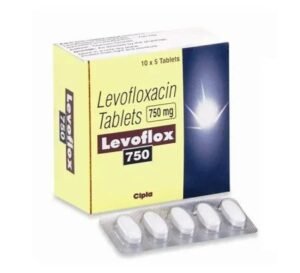 Price range: $39.00 through $260.00 Select options This product has multiple variants. The options may be chosen on the product page
-
Price range: $37.00 through $230.00 Select options This product has multiple variants. The options may be chosen on the product page
-
 Price range: $31.00 through $200.00 Select options This product has multiple variants. The options may be chosen on the product page
-
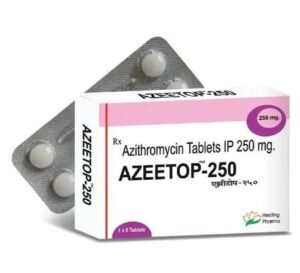 Price range: $24.00 through $190.00 Select options This product has multiple variants. The options may be chosen on the product page
Reviews
There are no reviews yet.