
Antiparasitic
Antiparasitic treatment is selected according to the type of organism responsible for the infection, the affected body area, the severity of symptoms, and the patient’s medical history. Different medicines target different parasites, so a drug that works against one infection may not be suitable for another.
Showing all 5 results
-
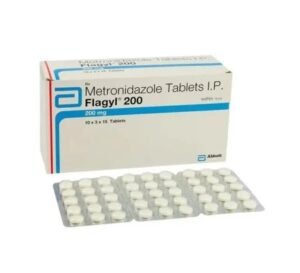
Antibacterial, Antiparasitic, Metronidazole
Price range: $36.00 through $228.00 Select options This product has multiple variants. The options may be chosen on the product page -
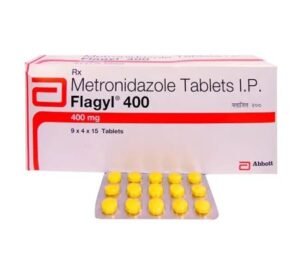
Antibacterial, Antiparasitic, Metronidazole
Price range: $36.00 through $228.00 Select options This product has multiple variants. The options may be chosen on the product page -
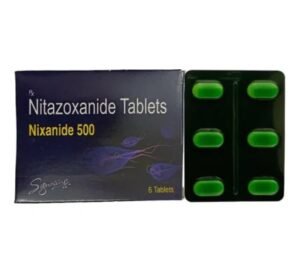 Price range: $38.00 through $246.00 Select options This product has multiple variants. The options may be chosen on the product page
-
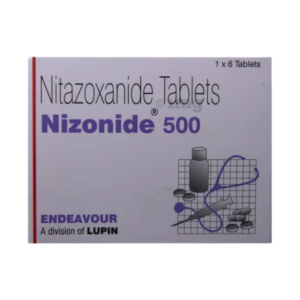 Price range: $180.00 through $340.00 Select options This product has multiple variants. The options may be chosen on the product page
-

Antibacterial, Antiparasitic, tinidazole
Price range: $35.00 through $223.00 Select options This product has multiple variants. The options may be chosen on the product page
Showing all 5 results
What Happens During a Parasitic Infection?
Parasites are organisms that survive by obtaining nutrients or other benefits from a host. Human parasitic infections can develop through several routes, including contaminated food or water, insect bites, contact with infected soil, exposure to contaminated surfaces, or close contact with an infected person or animal.
Three broad groups are responsible for many human parasitic diseases:
- Protozoa: Microscopic, single-celled organisms that can infect the intestines, blood, or other tissues.
- Helminths: Parasitic worms, including roundworms, tapeworms, and flukes.
- Ectoparasites: Organisms such as lice and mites that live on the skin or attach to the body’s surface.
Each group has different biological characteristics. Consequently, treatment requires identifying the likely or confirmed parasite rather than choosing medication based only on general symptoms.
Conditions That May Require Antiparasitic Treatment
Parasitic infections can produce a wide range of symptoms. Some affect the digestive system, while others involve the skin, blood, or internal organs.
Examples include:
Intestinal parasitic infections: Certain protozoa and worms can cause abdominal discomfort, diarrhoea, nausea, bloating, or changes in bowel habits. Some infections may also interfere with nutrient absorption.
Malaria: This mosquito-transmitted disease is caused by Plasmodium parasites. It can produce fever, chills, headache, fatigue, and potentially severe complications. Treatment depends on the species, disease severity, geographic location, and local drug-resistance patterns.
Giardiasis: Caused by Giardia parasites, this intestinal infection may lead to prolonged diarrhoea, gas, abdominal cramps, and difficulty absorbing nutrients.
Amoebiasis: Certain infections caused by Entamoeba histolytica can affect the intestines and, in some cases, spread to the liver.
Scabies and lice infestations: These conditions involve parasites affecting the skin or scalp. Treatment may require topical preparations or other specifically selected medicines.
Worm infections: Roundworms, hookworms, pinworms, tapeworms, and other helminths can affect different body systems. The appropriate medicine depends on the species and location of the infection.
Not every parasitic infection causes noticeable symptoms. Some people may have an infection without obvious signs, while others develop symptoms that require medical assessment.
Main Categories of Antiparasitic Drugs
Antiparasitic medicines are grouped according to the organisms they target and how they affect them. The following categories cover several important treatment approaches.
Antiprotozoal Medicines
Antiprotozoal drugs are designed to treat infections caused by protozoa. Depending on the medicine, they may interfere with the organism’s metabolism, DNA-related processes, or ability to survive inside the human body.
Examples include medicines used for selected cases of malaria, amoebiasis, giardiasis, and other protozoal infections. Metronidazole, tinidazole, and certain antimalarial medicines belong to this broad treatment area, although they are not interchangeable.
Anthelmintic Medicines
Anthelmintics are used against parasitic worms. Their actions vary: some interfere with the worm’s energy production, while others affect its nervous system or ability to absorb essential nutrients.
Examples include:
- Albendazole
- Mebendazole
- Ivermectin
- Praziquantel
- Pyrantel pamoate
These medicines have different target organisms and approved or recommended uses. For example, a medicine effective against certain roundworms may not be appropriate for a tapeworm infection.
Medicines for External Parasites
Some antiparasitic treatments are intended for organisms living on the skin or scalp. They may be available as creams, lotions, shampoos, or other topical preparations.
Permethrin is an example of a medicine used for certain external parasitic infestations. The correct formulation and application method depend on the condition being treated and the product’s instructions.
How These Treatments Affect Parasites
Antiparasitic medicines do not all work in the same way. Their effects depend on the drug’s chemical properties and the biology of the targeted organism.
Some treatments disrupt the parasite’s ability to obtain energy or use nutrients. Others interfere with important cellular functions, damage structural components, or affect nerve and muscle activity. Certain medicines also prevent parasites from reproducing or completing their life cycle.
The difference between these mechanisms explains why treatment selection matters. Parasites that appear similar may respond to entirely different medications. A medicine should therefore be chosen according to the suspected organism, diagnostic findings, and appropriate clinical guidance.
Choosing the Right Medicine for an Infection
Selecting an antiparasitic treatment involves more than matching a symptom with a drug. Healthcare professionals may consider several factors before recommending a particular medicine.
Identification of the parasite: Stool testing, blood tests, skin examinations, microscopy, antigen testing, or other investigations may be used depending on the suspected infection.
Location of infection: A parasite affecting the intestines may require a different treatment from one involving the blood, skin, liver, or other organs.
Severity and complications: More serious infections may require additional monitoring, combination treatment, or hospital-based care.
Patient characteristics: Age, body weight, pregnancy status, liver or kidney function, allergies, and existing medical conditions can influence treatment decisions.
Local resistance patterns: Some parasites have developed resistance to particular medicines. Geographic exposure and current treatment recommendations may therefore affect drug selection.
These considerations help ensure that treatment addresses the actual infection rather than providing medication that may be ineffective or unnecessary.
Possible Side Effects and Treatment Reactions
Like other medicines, antiparasitic drugs can cause unwanted effects. The type and likelihood of a reaction depend on the active ingredient, dose, treatment duration, and individual health factors.
Possible side effects include:
- Nausea or vomiting
- Abdominal discomfort
- Diarrhoea
- Headache
- Dizziness
- Skin irritation or rash
- Changes in appetite
- Temporary fatigue
Some medicines may require additional precautions because of possible effects on the liver, blood cells, nervous system, or other organs. In certain infections, symptoms may also change as the body responds to treatment.
Severe allergic reactions, breathing difficulties, significant swelling, fainting, or other serious symptoms require urgent medical attention. Patients should seek professional advice if side effects are persistent, worsening, or unexpected.
Precautions Before Starting Antiparasitic Medication
Before beginning treatment, patients should share relevant medical information with their healthcare professional. This helps identify potential risks and avoid unsuitable drug combinations.
Important precautions include:
- Inform the prescriber about known allergies and previous reactions to medicines.
- Discuss pregnancy, plans for pregnancy, or breastfeeding before using treatment.
- Mention any liver or kidney problems and other ongoing health conditions.
- Provide a complete list of prescription medicines, over-the-counter products, and supplements.
- Follow the prescribed dose and treatment schedule.
- Do not use leftover medication or share medicines with another person.
- Avoid repeating treatment without professional advice.
Some infections require treatment of household contacts or additional hygiene measures, while others do not. Patients should follow condition-specific recommendations rather than assuming that everyone in the household needs medication.
Preventing Reinfection and Reducing Exposure
Medication may clear an infection, but prevention remains important because exposure to parasites can occur again. Practical measures vary by parasite and transmission route.
Food and water safety: Drink safe water, wash produce, cook food thoroughly, and avoid food prepared under unsafe sanitary conditions.
Hand hygiene: Wash hands with soap and water after using the toilet, before preparing food, and after handling soil or potentially contaminated materials.
Insect protection: Use appropriate insect repellents, protective clothing, and mosquito-control measures in areas where insect-borne parasitic diseases occur.
Environmental cleanliness: Clean frequently touched surfaces and follow specific washing instructions when managing infestations such as scabies or lice.
Footwear and soil precautions: Wear suitable footwear in environments where parasites may enter through exposed skin.
Travel awareness: Learn about common parasitic risks at a destination and seek medical advice when travelling to areas where particular infections are prevalent.
Prevention measures should be matched to the infection. General cleanliness is helpful, but it cannot replace specific measures such as mosquito protection or safe food and water practices.
When Medical Assessment Is Important
Some parasitic infections can become serious if they are not diagnosed and treated appropriately. Medical assessment is especially important when symptoms persist, recur, or worsen.
Seek professional evaluation for prolonged diarrhoea, unexplained weight loss, persistent abdominal pain, recurring fever, unusual skin irritation, or suspected exposure to a parasite. Urgent care may be necessary for severe dehydration, confusion, breathing difficulties, seizures, severe weakness, or other signs of serious illness.
People who have recently travelled to regions where malaria is present should seek prompt medical attention if they develop a fever, even if symptoms initially seem mild.
Frequently Asked Questions About Antiparasitic Medicines
1. What are antiparasitic medicines used for?
They are used to treat infections caused by certain parasites, including protozoa, worms, lice, and mites. The specific medicine depends on the organism and the location of the infection.
2. Are all antiparasitic medicines effective against worms?
No. Antiparasitic is a broad term that includes medicines for several types of parasites. Anthelmintics specifically target parasitic worms, while antiprotozoal medicines are used for selected single-celled parasites.
3. Can one medicine treat every parasitic infection?
No. Different parasites have different biological structures and treatment sensitivities. A medicine suitable for one infection may not work against another.
4. How is a parasitic infection diagnosed?
Diagnosis may involve reviewing symptoms and exposure history, along with stool or blood tests, microscopy, skin examinations, or other investigations. The appropriate method depends on the suspected parasite.
5. Can antiparasitic medicines cause side effects?
Yes. Some people experience nausea, abdominal discomfort, headache, dizziness, or skin reactions. Certain medicines may have more specific risks and require monitoring.
6. Should treatment be repeated after symptoms disappear?
Not automatically. The need for repeat treatment depends on the parasite, the medicine used, and the clinical response. Follow the prescribed treatment plan and seek advice before taking another course.
7. Can parasitic infections return after treatment?
Yes. Reinfection can occur through contaminated food or water, insect bites, contact with infected individuals, or environmental exposure. Prevention measures can reduce the risk.
8. Are antiparasitic medicines suitable for children?
Some are used in children, but suitability depends on the specific medicine, the child’s age and weight, and the type of infection. A healthcare professional should determine the appropriate treatment.
9. Can these medicines be taken during pregnancy?
Pregnancy-related safety varies considerably between antiparasitic drugs. Treatment decisions should be made with a qualified healthcare professional after considering the infection and potential risks.
10. Do antiparasitic medicines prevent future infections?
Most antiparasitic medicines treat an existing infection rather than providing lasting protection against future exposure. Preventive medication is recommended only in specific circumstances, such as certain travel-related situations, under professional guidance.